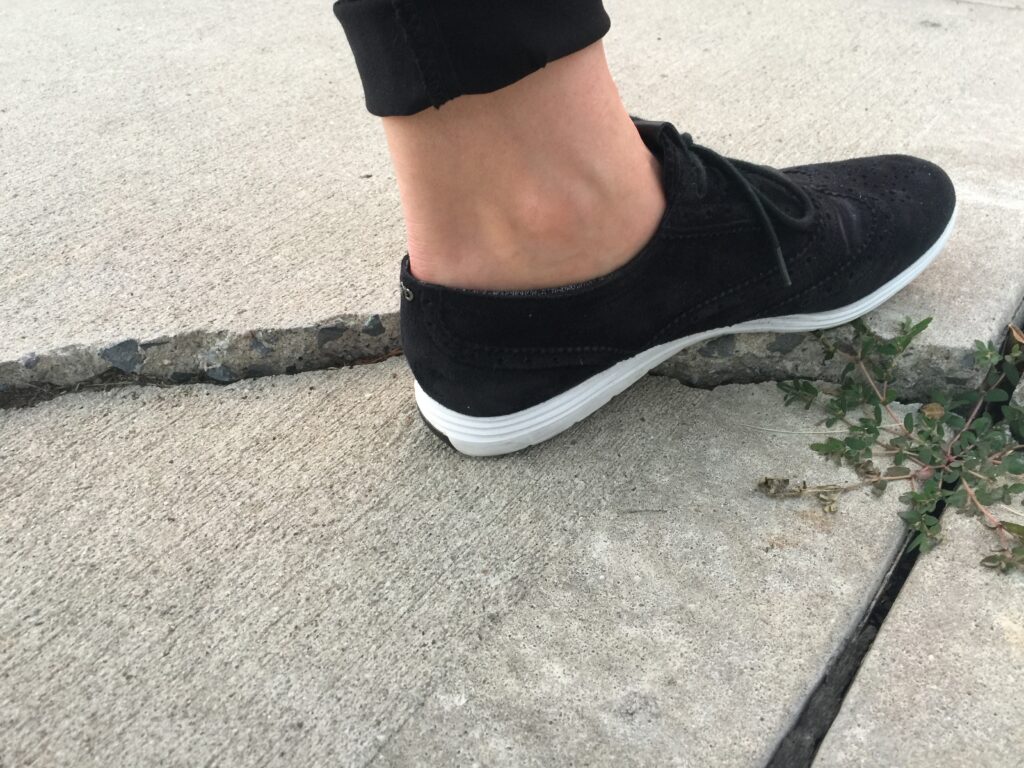
 This trip and fall sidewalk case was unique in that a substantial sidewalk defect was created across the street from the defendants’ place of business. Plaintiff, 75 at the time, fell due to the defect.
Liability: Plaintiff alleged that large 18-wheel delivery trucks, owned by other companies, were riding up on the sidewalk on the opposite side of its loading dock and driveway, breaking the sidewalk.
Plaintiff’s case was supported by the next door to the defendants’ premises for nearly 56 years. He testified that the street on which he lived was a dead-end street that was mostly residential, and that the drivers of 18-wheel tractor-trailers that made deliveries to the defendants’ business, while maneuvering into the driveway of the premises, frequently drove onto the sidewalk across the street, thereby creating the condition that caused the plaintiff to trip and fall.
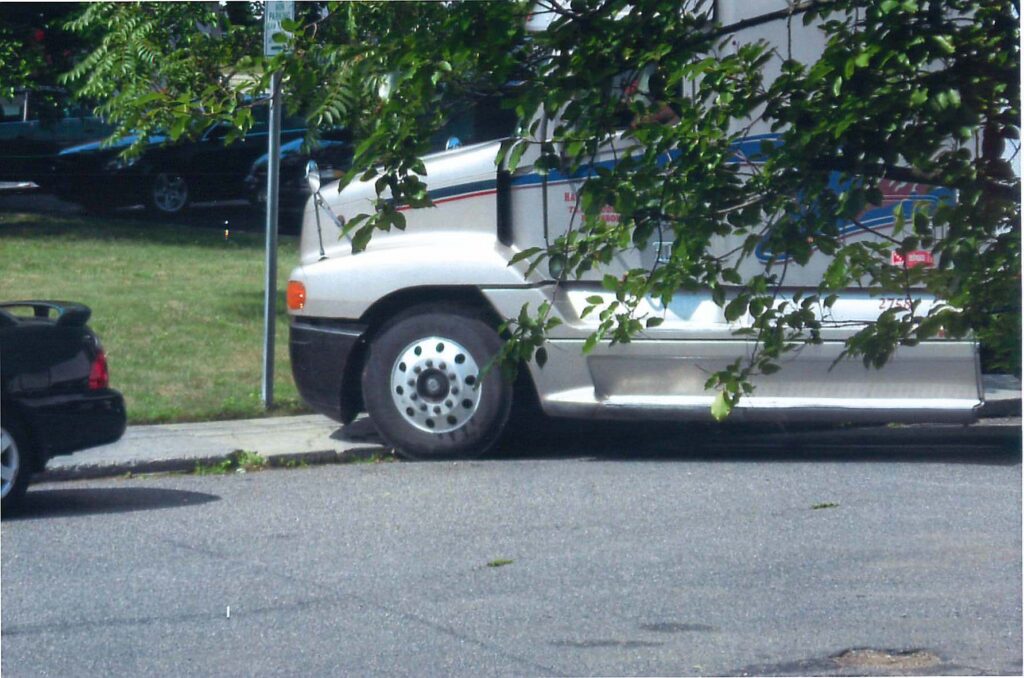 The neighbor had, on numerous occasions, observed defendants directing truck drivers onto the sidewalk while assisting them in backing up to the loading dock. And he took photographs.
Damages: The plaintiff suffered a fractured right hip (that was operated on) and right fractured shoulder (that was not).
The following three issues were confronted:
- A lower court granted summary judgment against the plaintiff, asserting that the defendants had no prior notice of the defect. We appealed, and the decision was reversed as causing or creating a defect subjects the person who did it to liability.
- The defendants had two insurance companies, both of whom claimed this incident fell outside the policy coverage. (a) The insurer for the box trucks used by the business disclaimed coverage because it was the larger 18-wheelers from other delivery companies that did the damage. (b) And the general commercial liability carrier disclaimed, asserting it did not occur on the premises. But because the premises were not defined, and the huge trucks were capable of being on both the driveway and across the narrow street at the same time, the general liability carrier was held to be responsible for any loss.
- Finally, a security camera video showed the plaintiff approaching from a different angle than the one she first testified about. Defendants claimed the plaintiff did not trip on the sidewalk, but rather, walked into a guy wire for a utility pole. This video, however, cut out roughly 10-15 steps before the fall took place, leaving video evidence of the cause of the fall inconclusive.
The case settled for $330,000 at mediation in 2026 with a trial date pending.
